
CRM
Track every lead and conversation in one pipeline, instead of scattered inboxes and spreadsheets.


Odoo ERP
We implement and customize Odoo around how your business actually operates, then connect it to your website and ecommerce, so every team works from the same numbers.
Backed by 50+ Odoo implementations across India, Australia, Dubai and Germany.
Core modules
What's included
Odoo replaces the spreadsheets and disconnected tools most growing businesses end up with, one module at a time or all at once.
Track every lead and conversation in one pipeline, instead of scattered inboxes and spreadsheets.
Quotes, orders and approvals that flow straight into fulfilment and accounting, no re-entry.
Stock levels that stay accurate across warehouses, stores and your online channel.
In-store checkout that posts straight to inventory and accounting, no end-of-day reconciliation.
Invoicing, expenses and reporting built on the same data as sales and inventory, not a separate system.
WordPress and WooCommerce connected directly to Odoo, so online orders update stock and accounting automatically.
Where Odoo rollouts go wrong
Odoo is flexible enough to run almost any business, which is exactly why a generic rollout so often falls short. We see the same patterns on every failed or half-finished implementation.
| Modules switched on but never configured to how the business actually works | |
| Reports that don't match what's happening on the floor or in the warehouse | |
| Staff quietly going back to spreadsheets because the system doesn't fit their workflow | |
| Customizations that break on every update because they weren't built to last | |
| Website and ecommerce left disconnected, so orders still get re-keyed by hand |
Our approach
Before any configuration starts, we map how your business actually runs today, purchasing, inventory, sales, service, whatever applies, and design the Odoo setup around that. Where a standard module doesn't fit, we build the connector or customization to close the gap, and keep it maintainable through every Odoo update.
Your website and ecommerce store are part of the same system from day one, not bolted on afterward.
See how we connect the website and the businessHow it happens
We map how sales, operations, inventory and finance actually work today, including the workarounds, before touching any configuration.
Modules are configured against your actual process, and existing records are migrated in, not re-typed from scratch.
Your website, WooCommerce store, payment gateway and any other systems are connected so data flows automatically.
Every team that touches the system gets trained on their part of it before go-live, not a single generic walkthrough.
As the business changes, the system gets adjusted with it, new workflows, new integrations, new reports.
Proof, not promises
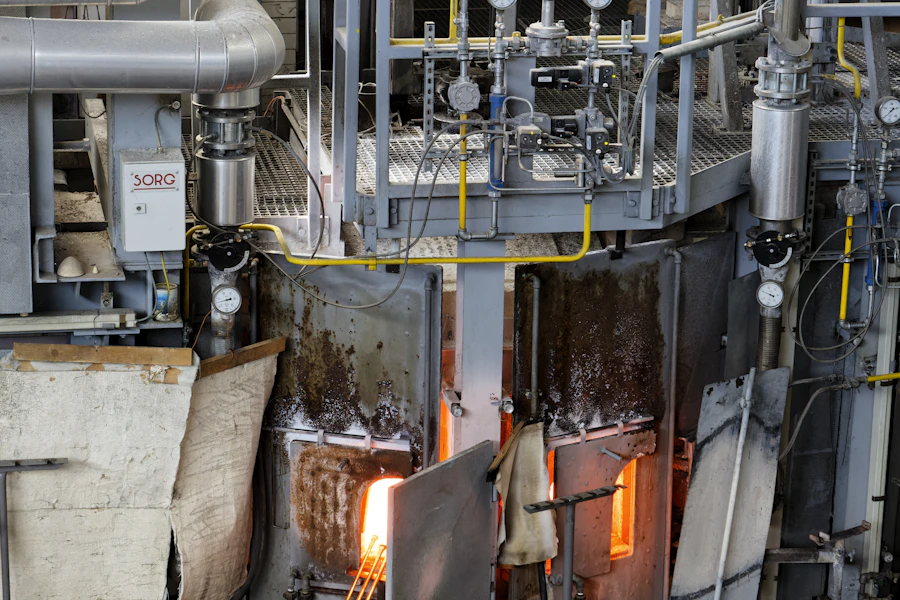
Manufacturing
Purchasing, inventory and production each lived in their own spreadsheet, with no single view of what was actually happening on the floor. A unified Odoo deployment brought all three together, replacing the guesswork with one connected system.
View case studyQuestions
Still have questions specific to your business?
Talk to an ExpertIn most cases, yes. Odoo's accounting module covers invoicing, expenses, tax and reporting. We review your current setup during discovery and confirm what stays, what migrates, and whether Australian or Indian tax compliance needs specific configuration.
Yes. We connect WooCommerce (or WordPress) directly to Odoo, so orders, stock levels and customer records stay in sync automatically instead of being managed twice.
Start with the modules that solve your most pressing problem, inventory and accounting, for example, and add CRM, sales or POS later. Odoo's modules are designed to be switched on incrementally.
We offer ongoing managed support, so as your processes change, your Odoo setup, integrations and reports get adjusted with them rather than falling out of date.